
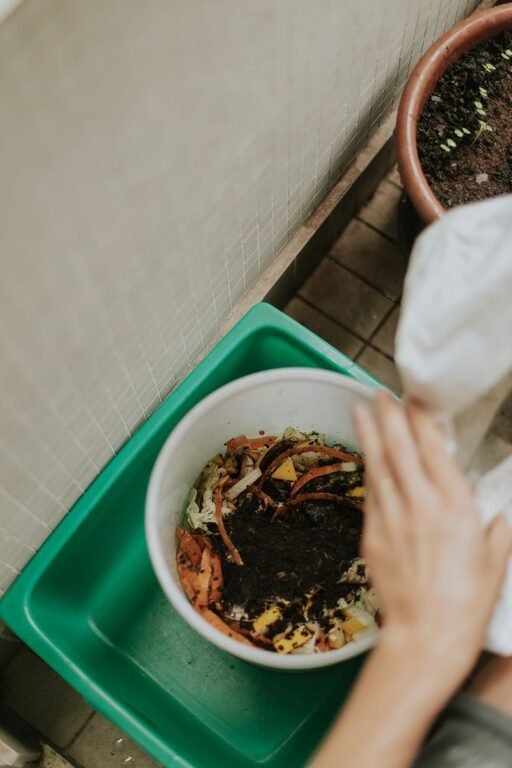
Composting at home is an eco-friendly practice that turns kitchen scraps and yard waste into nutrient-rich soil for your garden. Not only does composting reduce the amount of garbage sent to landfills, but it also helps improve soil health and supports plant growth. If you’re new to composting, this guide will walk you through the basics and share beginner-friendly tips to help you get started with confidence.
What Is Composting?
Composting is the natural process of breaking down organic materials like fruit and vegetable scraps, coffee grounds, leaves, and grass clippings into humus—a rich, earthy material that nourishes soil. Microorganisms like bacteria and fungi, along with worms and insects, work together to decompose these materials over time.
Why Compost at Home?
– Reduce waste: About 30% of household waste is compostable organic material.
– Save money: Composting reduces the need for chemical fertilizers.
– Improve soil: Compost adds nutrients and improves soil structure.
– Help the environment: Composting lowers methane emissions from landfills and supports healthy ecosystems.
Getting Started: Choosing a Composting Method
There are several ways to compost at home depending on your space, lifestyle, and goals. Here are some common options:
1. Traditional Compost Bin
A standard compost bin is a contained space where you add organic waste. These bins often have ventilation to allow airflow.
– Good for yards or gardens with enough outdoor space.
– Can be purchased or homemade from wood or wire mesh.
2. Compost Tumblers
These are enclosed bins mounted on a frame that can be rotated to mix compost materials.
– Faster composting due to easy turning.
– Ideal for those who want a cleaner, low-effort system.
3. Worm Composting (Vermicomposting)
Using worms, typically red wigglers, to break down kitchen scraps in a container.
– Suitable for small spaces or indoor composting.
– Produces nutrient-rich worm castings for plants.
4. Bokashi Composting
An anaerobic fermentation process using special bran to ferment food waste.
– Can compost meat and dairy.
– Requires a sealed container and Bokashi bran.
What to Compost: The Basics of Compost Materials
Successful composting depends on balancing two types of materials:
– Greens: Nitrogen-rich materials such as vegetable scraps, coffee grounds, grass clippings, and fresh leaves.
– Browns: Carbon-rich materials like dry leaves, straw, cardboard, paper, and wood chips.
What to Avoid
– Meat, fish, and dairy (unless using Bokashi).
– Oily or greasy foods.
– Diseased plants or invasive weeds.
– Pet waste.
Tips for Beginner Composters
1. Start Small and Simple
Begin with a small compost bin or worm bin to get comfortable managing your compost.
2. Keep a Balance of Greens and Browns
Aim for a roughly 2:1 ratio of browns to greens. Too many greens can cause odor, while too many browns slow decomposition.
3. Chop or Shred Larger Materials
Smaller pieces break down faster. Chop vegetable scraps and shred dry leaves before adding.
4. Turn or Mix Regularly
Aerate your compost every week or two by turning it with a pitchfork or stirring it. This helps speed up decomposition and reduces odor.
5. Maintain Moisture
Compost should be about as damp as a wrung-out sponge. If too dry, add water or green materials; if too wet, add more browns.
6. Be Patient
Composting can take anywhere from a few weeks to several months depending on conditions. Finished compost looks dark, crumbly, and smells earthy.
7. Use Compost in Your Garden
Once ready, spread your compost around plants, mix into potting soil, or use as mulch to improve soil health.
Troubleshooting Common Issues
– Bad smell: Usually caused by too many greens or poor aeration. Add browns and turn the pile.
– Pile not heating up: Add more greens, turn to add oxygen, or check moisture levels.
– Pests: Avoid adding meat or oily foods; secure your bin and cover food scraps with browns.
Tools and Supplies for Easy Composting
– Compost bin or tumbler
– Pitchfork or garden fork for turning
– Kitchen compost pail or container with a lid
– Garden gloves
– Shredder or scissors for chopping materials
Final Thoughts
Composting at home is a rewarding and practical way to reduce waste and enrich your garden naturally. By starting small and following these beginner tips, you’ll soon enjoy the benefits of healthier plants and a greener lifestyle. Remember, composting is a learning process—don’t be afraid to experiment and adjust as you go!
—
With a little care and patience, you can make composting a valuable part of your home routine. Happy composting!